
Howard Hardie
Silver Gelatin Photography
Artist’s Statement
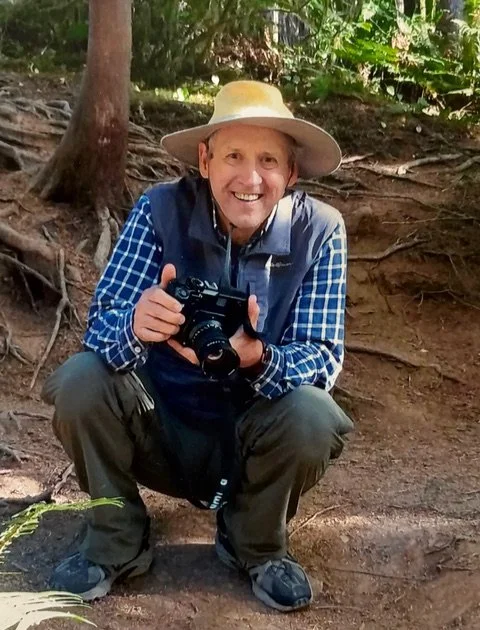
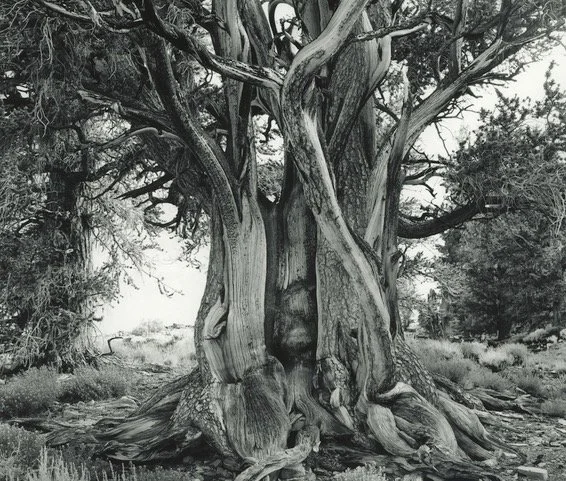
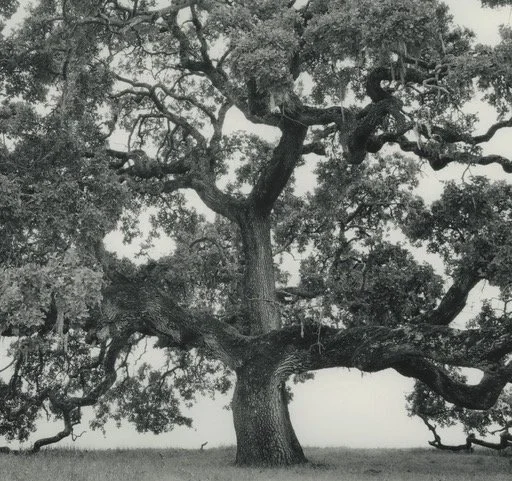
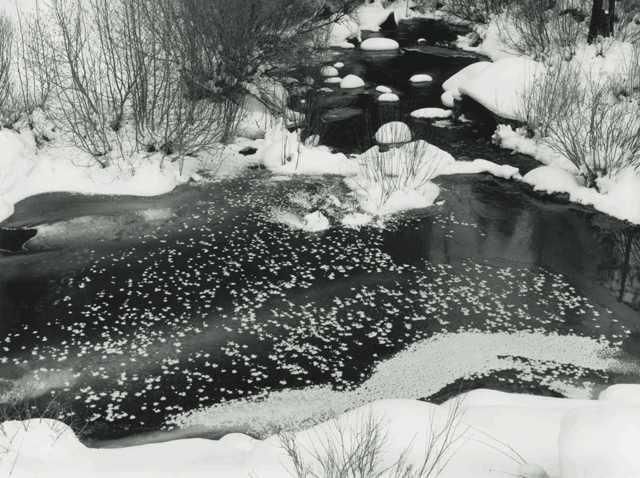
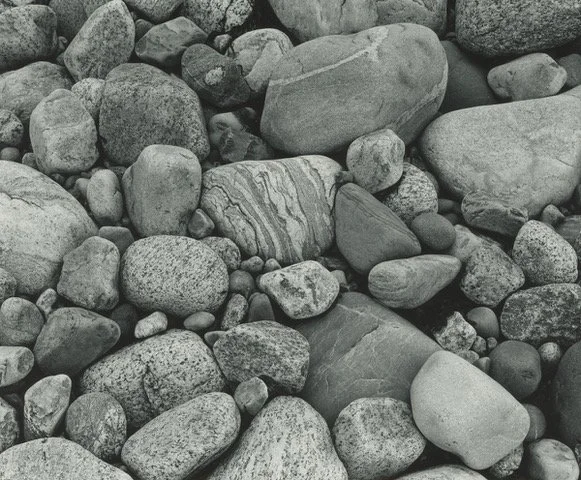
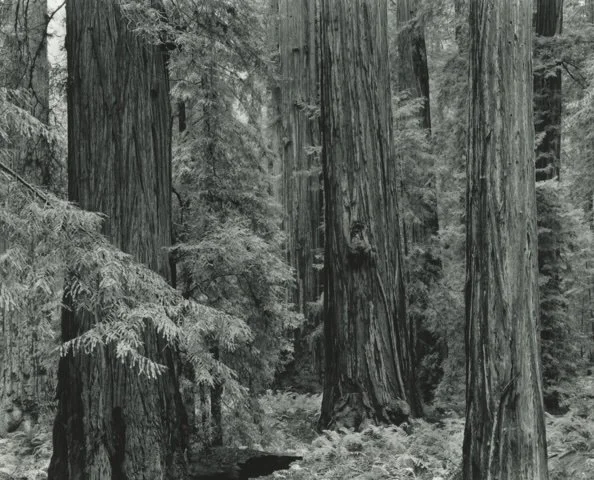
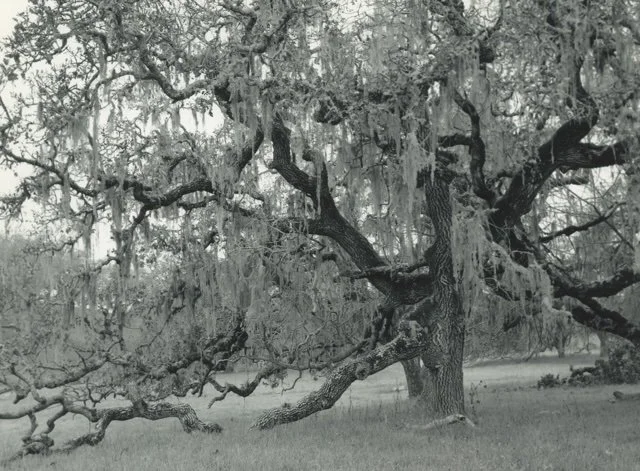
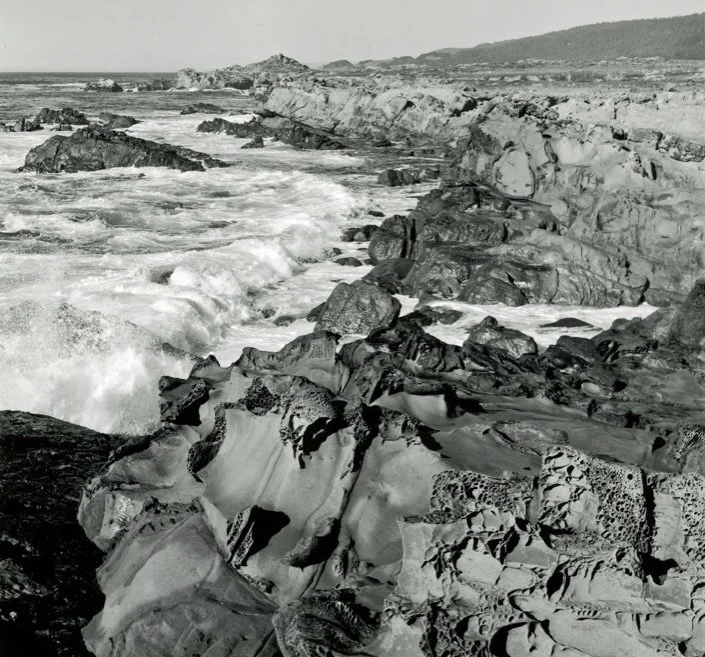
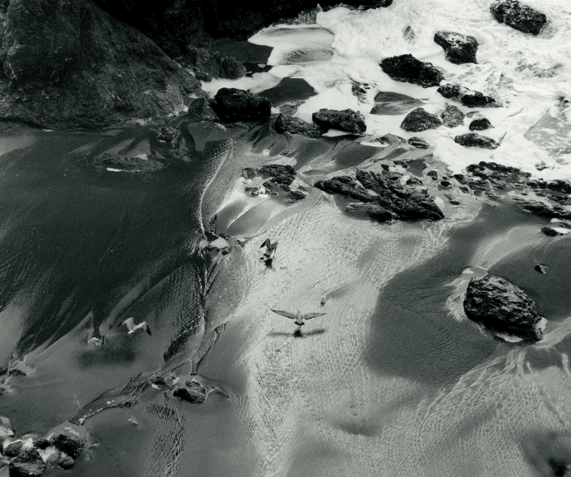
I live in Sonoma County, California. I photograph the natural and human landscape. I employ traditional approaches, working with black & white film and silver gelatin darkroom prints.
Ancient trees have always been a favorite subject. Trees reveal an evolving history, as they create a structure searching for light.Trees exist in fragile and complex environments, within communities of different life forms.
Both camera and darkroom time bring joy and contentment to my life. Traveling with a camera is an opportunity to explore nature and humanity. The darkroom is my happy place with a unique blend of red light, sloshing liquids, smells, and music.
I have been taking photos since childhood. My first camera was a ‘Brownie’ box type with exploding flashbulbs. I appreciate my family’s longstanding support, with my parents allowing me to paint their bathroom black for my first darkroom, and my wife and children waiting patiently while I photograph scenes.
I use medium and large format cameras, varying from 2.25x2.5” to 4x5” negatives. Medium format allows me to work with fluidity in environments full of wind and movement, whereas large format demands contemplation and stillness.
I have had a long career as a public school teacher. My photographs have been exhibited in juried shows and galleries throughout Northern California. Currently my work is displayed at the Arts Guild of Sonoma Gallery.
Given care, a black & white photograph should last for generations. I print on fiber-based silver gelatin photographic paper, processed according to current archival standards. Prints are toned in selenium to enhance tonal value and for preservation. Each photo is mounted on museum quality cotton mat board with an overlaid signed mat and an acid free foam back.
The Interview:
Howard Hardie, July 2026
Interview conducted and edited by Nancy Martin
NJM: Howard, are you a California native?
HH: Absolutely! I come from multi-generational California families on both sides. My great grandfather was actually a 49er from Mexico. I was brought up in the Albany and Berkeley areas and received my BA at UC Berkeley and an MA in History from the University of Minnesota. Throughout both high school and college I was always somehow involved with photography. I finally discovered my career as a Special Ed teacher working with elementary school children K - 6th grade. I felt that I was what I was meant to do. It was a privilege to be a special ed teacher for twenty-five years.
NJM: Tell us about your photography darkroom/studio.
HH: My wife calls it my "happy place". It's very calm and serene. Having spent lots of time in darkrooms throughout much of my life, I enjoy the low red lights and even the smell of the chemicals.
NJM: How would you define yourself as an artist?
HH: I don't. Art is intensely important to me and central to my life. I like looking at other people's art and other types of media too. Especially painting. As a photographer I would define myself as more of an observer. What is most important to me are our connections with each other and nature, and kindness in our interactions.
NJM: Where or how did you learn your photography skills?
HH: I'm primarily self-taught, mostly from the writings of other photographers. I've been a photographer for a very long time. My first job out of college was working in a photo lab, where I printed literally thousands of prints. That gave me a strong foundation in photography which I might not have had otherwise. I've had a lifelong involvement with photography that continues to this day.
NJM: What kinds of emotions do you experience while working with your photographs?
HH: My work requires intense concentration, where time can stand still.
NJM: Do you have any advice to emerging artists?
HH: Don't worry about trends. Just do what you like to do. Show your artwork at juried shows and galleries. Just get it out there.
NJM: What do you think is more important for art, the idea or the execution?
HH: An artist must be committed to their craft, so the execution is very important but you also need a vision.
NJM: Why black and white?
HH: I like how photography strips things down to its form and essence. I love color in paintings, but I prefer photography in black and white.
NJM: Why do you think people should visit the Arts Guild of Sonoma?
HH: There is always great art to view and/or purchase at the Guild and I believe that the public receives a much better deal than in a commercial gallery where there is likely to be a big mark-up. Plus, it's important and fun to meet the artists!
NJM: What do you most enjoy about participating in an artist cooperative?
HH: I really enjoy the camaraderie and relationships with the other members. But I also enjoy meeting the public. This is an important connection for any artist.
You can find more about Howard on his website
Or contact him by email at howardhardie@sonic.net
Quisque iaculis facilisis lacinia. Mauris euismod pellentesque tellus sit amet mollis.